

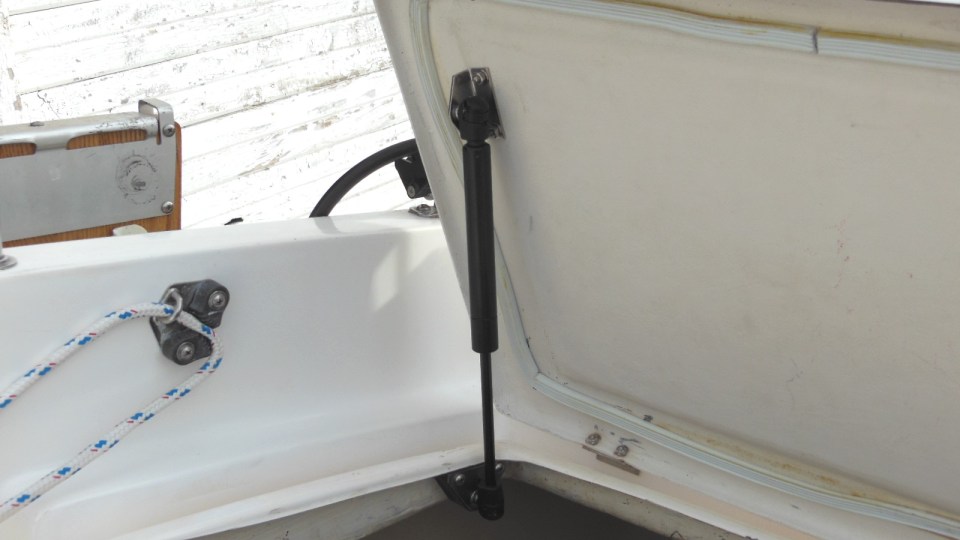


Headsail Furlers For the Trailer Sailor
I used to be a little envious of skippers with headsail furlers. They can just pull a line to roll up their headsail at the end of the day. Their headsail stays crisper longer because it doesn’t get folded up and stowed away. To set sail, they can just pull the sheets aft to unfurl the sail in seconds. No more snapping and unsnapping, hoisting and dousing, flaking and rolling. Just pull and go or pull and stop.
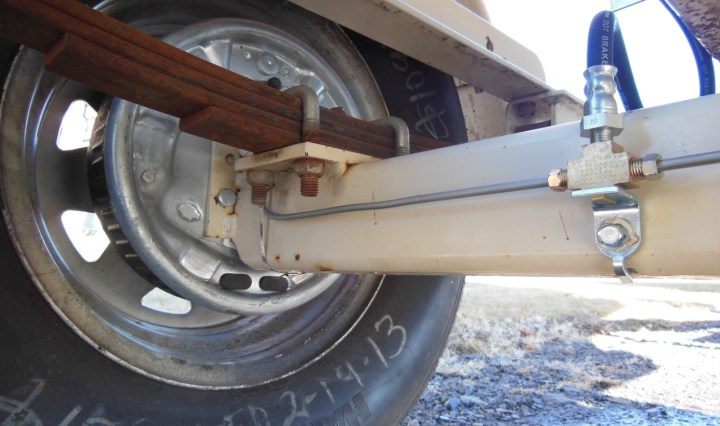
Do it Yourself Trailer Surge Brakes
If you’re new to trailer sailing, you might be unsure about your trailer’s brake system (or lack thereof). If you own an older trailer, the system could be badly corroded from many wet launches and need repair or replacement. If your trailer doesn’t have a brake system, you might be wondering why and if you should have one. This post gives you the facts you need to trailer safely and legally.
Continue reading “Do it Yourself Trailer Surge Brakes”
How to Fly a Flag Above a Masthead
One of the hallmarks of sailing artwork is a flag or streamer flown above the masthead. You often see them in vintage photographs, paintings of tall ships, and modern digital art.

But you seldom see them in reality anymore. Why is that? Maybe it’s a dying tradition. Maybe its a practical result of all the gadgetry we mount on our mastheads today. Whatever the reason, I suspect that more skippers would fly them if they knew how easy it is to do.

How To Measure Standing Rigging Tension
Whether or not you’ve replaced your standing rigging, you may be wondering how to adjust it. How tight should the rig be? How can you measure it? After all, what good is great rigging if it isn’t tensioned properly to perform its best?
Continue reading “How To Measure Standing Rigging Tension”
Upgrade Your Galley With An Electric Water Pump
The first mate didn’t care much for the original water pump in the galley of Summer Dance. She uses a lot of water for making coffee in the mornings, sponge baths, or to wash her hair. Pumping that much water by hand with the tiny, manual pump was more trouble than she wants to take when we’re cruising. And she let me know about it. Every cruise.
Continue reading “Upgrade Your Galley With An Electric Water Pump”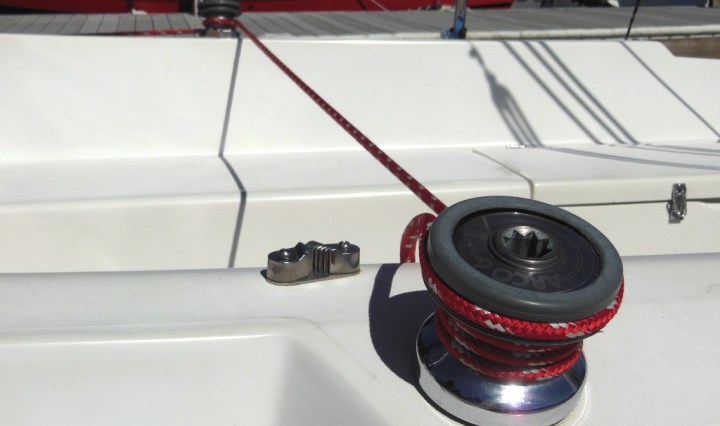
How To Cross-Sheet For Better Single-Handing
Single-handed sailing can seem like playing music as a one man (or woman) band sometimes. You have to do everything yourself and play all the instruments simultaneously. If done well, it’s poetry in motion. If done poorly, it can be a train wreck.
Continue reading “How To Cross-Sheet For Better Single-Handing”
How To Add a Draft Stripe To a Sail
This project is a companion to my previous projects, How To Add Numbers To a Sail and How To Reproduce a Class Insignia On a Sail. If you’re getting started in club racing or if you just want to get the best performance out of your sails for cruising, draft stripes can help. A draft stripe makes it easier to see how small adjustments in sail trim affect the shape of your sails and therefore, how air moves over them. A draft stripe can help you to optimize the amount of lift your sails produce in different wind conditions and become a better sailor. Becoming a better sailor means you make more efficient use of your time when cruising and have more fun. And if you race, better sailors sail faster.
Continue reading “How To Add a Draft Stripe To a Sail”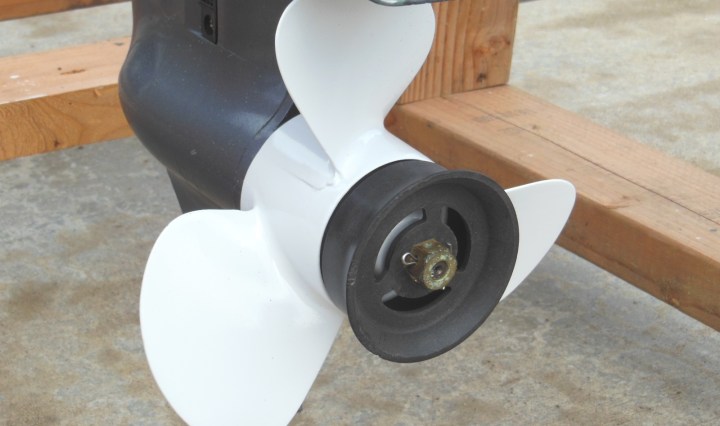
How to Refinish Your Aluminum Propeller
Is the propeller on your outboard motor looking a bit worse for wear? Is the paint chipped and is corrosion setting in? It could be time to refinish it before it’s too far gone.
Before I continue, a bit of legal housekeeping. This post contains affiliate links. That means I receive a small commission if you make a purchase using those links. Those commissions help to pay the costs associated with running this site so that it stays free for everyone to enjoy. For a complete explanation of why I’m telling you this and how you can support this blog without paying more, please read my full disclosure.

Choose Your Running Rigging Colors Logically
When we purchased Summer Dance, she had an odd assortment of line colors, mostly the original equipment, run of the mill white with a blue tracer. But the main sheet was white with a red tracer, the jib sheet too, and the genoa sheet was white with a black tracer. None of the colors gave you a clue as to what a line was used for. The halyards in particular were difficult to tell apart unless they were in their proper places.
After you know your sailboat so well that you can sail her in the dark, colors don’t matter, of course. But when you have crew onboard that don’t know your sailboat so well, they need all the help they can get to identify your lines.
Continue reading “Choose Your Running Rigging Colors Logically” The $tingy Sailor