



How To Bed Hardware With Butyl Tape
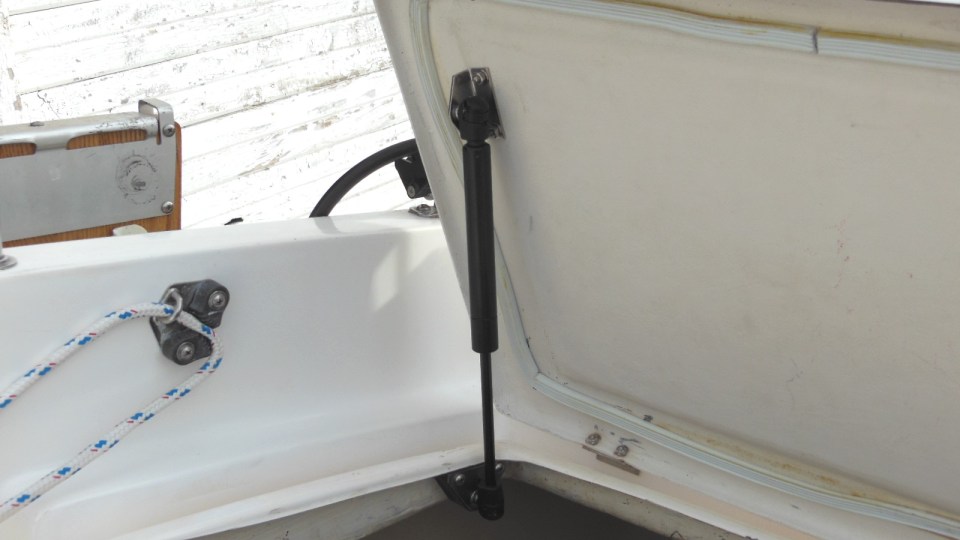
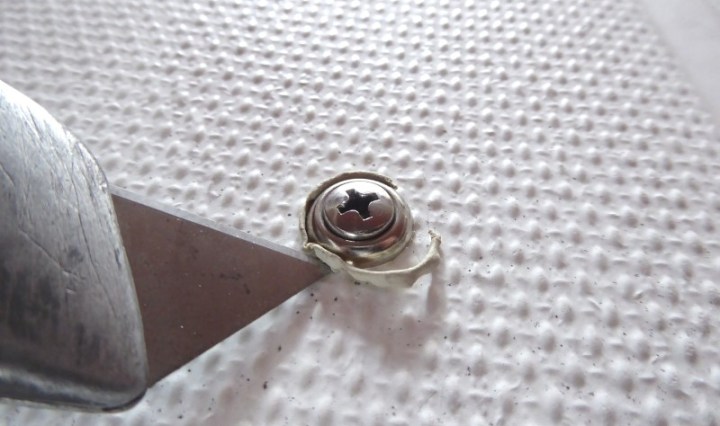
When shopping for a used sailboat, one of the most important things to look for is soft or springy spots in the deck. They’re a sure sign that water has seeped into the wooden core and caused rot that’s difficult and expensive to repair. Water damage is also common around the edges of wooden bulkheads, chain plate bolts, and anywhere else that hardware penetrates the exterior fiberglass. There is no easy fix for water damage but preventing it in the first place is quite simple if you seal all penetrations with butyl tape.
Continue reading “How To Bed Hardware With Butyl Tape”
The 6 Worst Things You Can Do To Your Sails
Crisp, clean sails not only look better than dirty, worn out sails, they also work better and let your sailboat heel less. New sails are expensive so it’s smart to take care of the ones you have so that they will last longer before you need to replace them. Here are some simple things that you can avoid doing and that will help your sails to last longer. I’ll also mention a few things that you should make into habits that can prolong the life of your sails.
Continue reading “The 6 Worst Things You Can Do To Your Sails”
On Generosity
This is my annual Christmas post in which I share a bit about my faith and I don’t apologize for it. I’ll return to posting the usual content in the next post. If reading this post would offend you, then … Continue reading On Generosity

How To Add Numbers To a Sail
Have a new mainsail without numbers? An old mainsail with peeling numbers? How about a used mainsail that you bought or that was given to you and has the wrong numbers on it? You can easily replace or add professional-looking numbers to your mainsail without taking it to a sailmaker and I’ll describe how.
Continue reading “How To Add Numbers To a Sail”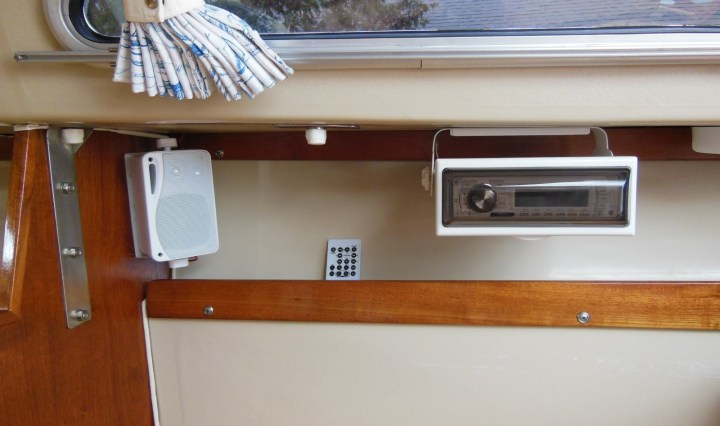
Install a Marine Music System
If you’re a music lover, an onboard music system is mandatory. There’s a mysterious connection between the open waters and music. Whether it’s classical, jazz, rock, country, folk, or reggae, there’s a song for every mood when you’re sailing.
A marine music system lets you take your favorite music with you on the waters. We have them in our homes, in our cars, even in our phones, so we need them on our sailboats. A quality system isn’t difficult to install and it doesn’t have to be expensive.
Continue reading “Install a Marine Music System”
How to Reinforce Your Stem Fitting
While removing and rebedding all the deck hardware on Summer Dance with butyl tape, I decided that I would reinforce the stem fitting while I was at it. A popular online Catalina parts retailer’s website says:
Boats built before ’82 had an inherent weakness: The forestay load was forward of the stem fitting’s forward mounting bolts, supported only by the deck, in an area with many holes in a small space, all forward of the marine plywood reinforcement. It is common to see these Catalina 22’s with stem fittings that are being pulled up from the deck.
Deck failure begins by looking like the picture below. Notice the line of cracks just in front of the forward stem fitting bolts.
Continue reading “How to Reinforce Your Stem Fitting”
Salon Table Upgrades from Simple to Spectacular
Every once in a while, I get the urge to add something purely aesthetic to Summer Dance—a bit of class, a touch of beauty. They can transform a sailboat from just a water vehicle into a nautical experience.
Continue reading “Salon Table Upgrades from Simple to Spectacular”
Stingy’s Used Sailboat Buying Guide
If you’ve already been sailing for a while on a friend’s or a family member’s sailboat, then you probably have a good idea of what you want and what to look for. But if you’re relatively new to the sport and shopping for your first used sailboat, it can be a daunting task. There are a lot of used sailboats on the market and their condition runs from one extreme to the other, with corresponding price tags.
How do you know what to avoid that can cost you dearly to repair? What is reasonable to expect for an aging sailboat? And what marks a well-preserved pocket yacht?
Continue reading “Stingy’s Used Sailboat Buying Guide”
The Essentials You Should Have in Your Onboard Toolbox
Some of us were Boy Scouts back in the day and we learned to be prepared. For the rest of us, we might not have gotten the lesson. Are you prepared for a gear failure aboard your sailboat? If you cruise offshore or in remote locations like I do, you could be many miles from help if something goes wrong. What will you do if your rigging fails, if your ground tackle fails, or if your outboard motor fails? If you’re not prepared, an inconvenience could escalate into an emergency.
Continue reading “The Essentials You Should Have in Your Onboard Toolbox” The $tingy Sailor